Stories
Field reports, clinic dispatches, and firsthand accounts of what happens when supplies arrive where they are needed most.
Featured Report
The Clinic That
Serves a Desert
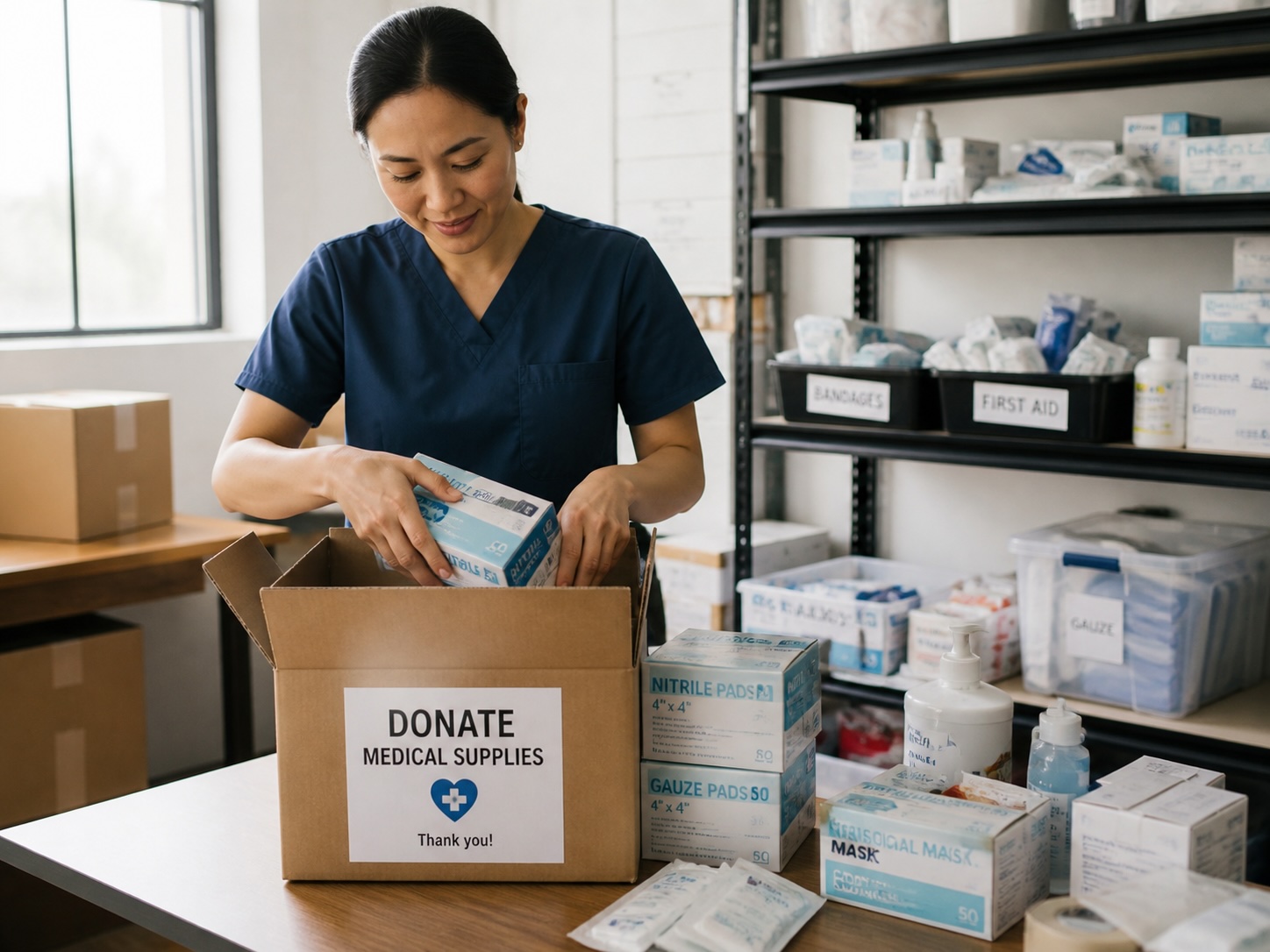
"We had been out of surgical gloves for six weeks. The boxes from Farasha arrived the day before we had three scheduled procedures."
The clinic attached to St. Macarius Monastery has served the surrounding community for decades — but supply chains have never been reliable. Remote geography, limited funding, and a population with few alternatives mean any gap in supplies becomes an immediate crisis.
When our March 2025 shipment arrived, the clinic director described unpacking each box as "unwrapping a kind of miracle." The gloves, dressings, and diagnostic tools inside weren't extraordinary items — but in that moment, they made extraordinary care possible.
St. Macarius Monastery, founded in 360 AD, operates one of Egypt's most active desert clinics. It serves monks, pilgrims, and the surrounding rural communities — many of whom travel hours for basic medical attention. Since becoming a Farasha partner in 2024, the clinic has received supplies in every shipment.
More From the Field
Dispatches from
Egypt's Clinics
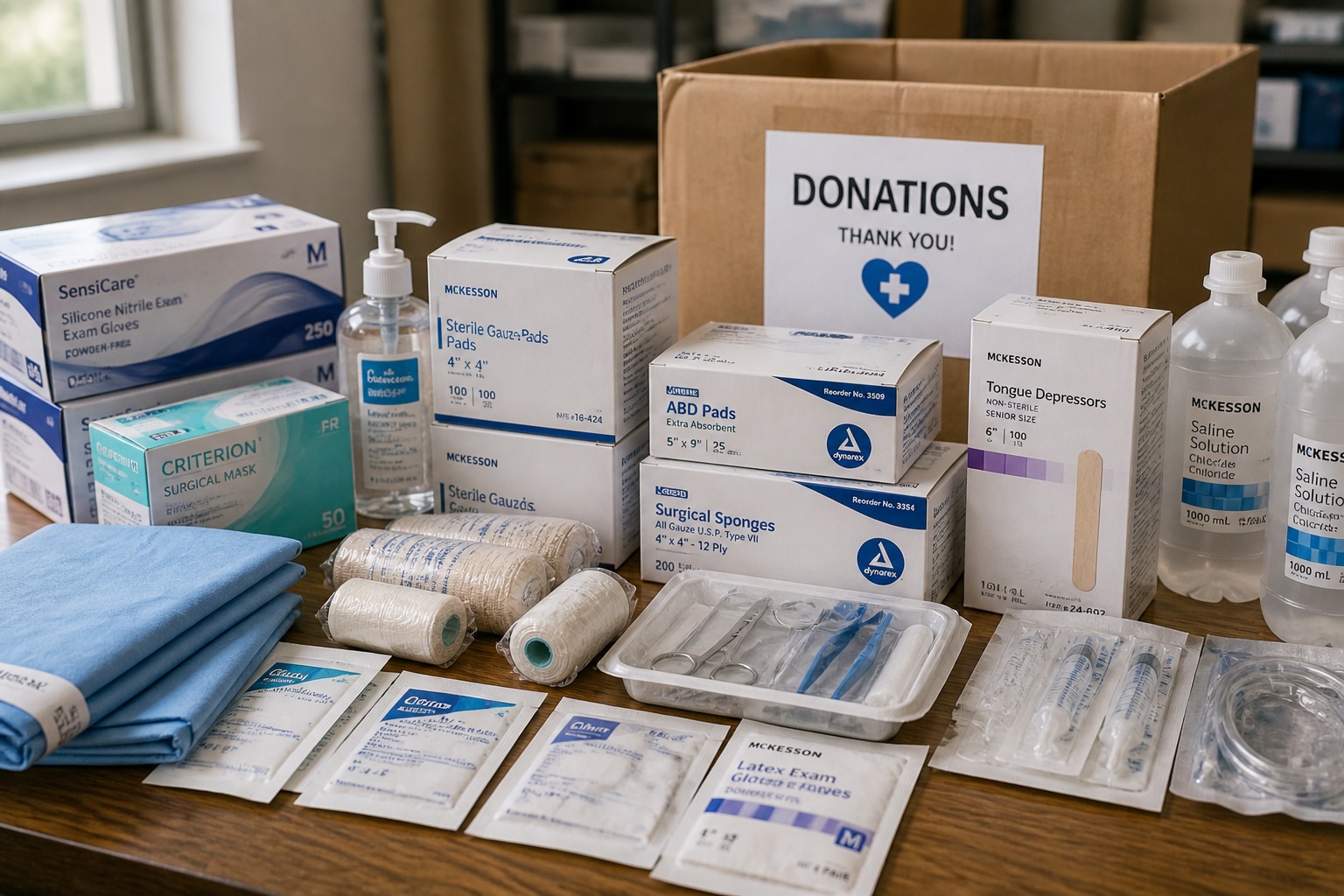
Eight Shipments Completed — Each Larger Than the Last
Since the first container left Los Angeles in early 2024, Farasha has dispatched eight consolidated shipments to Egypt. Volume has grown with each one as more hospital partners come onboard and more monastery clinics are added to the network.
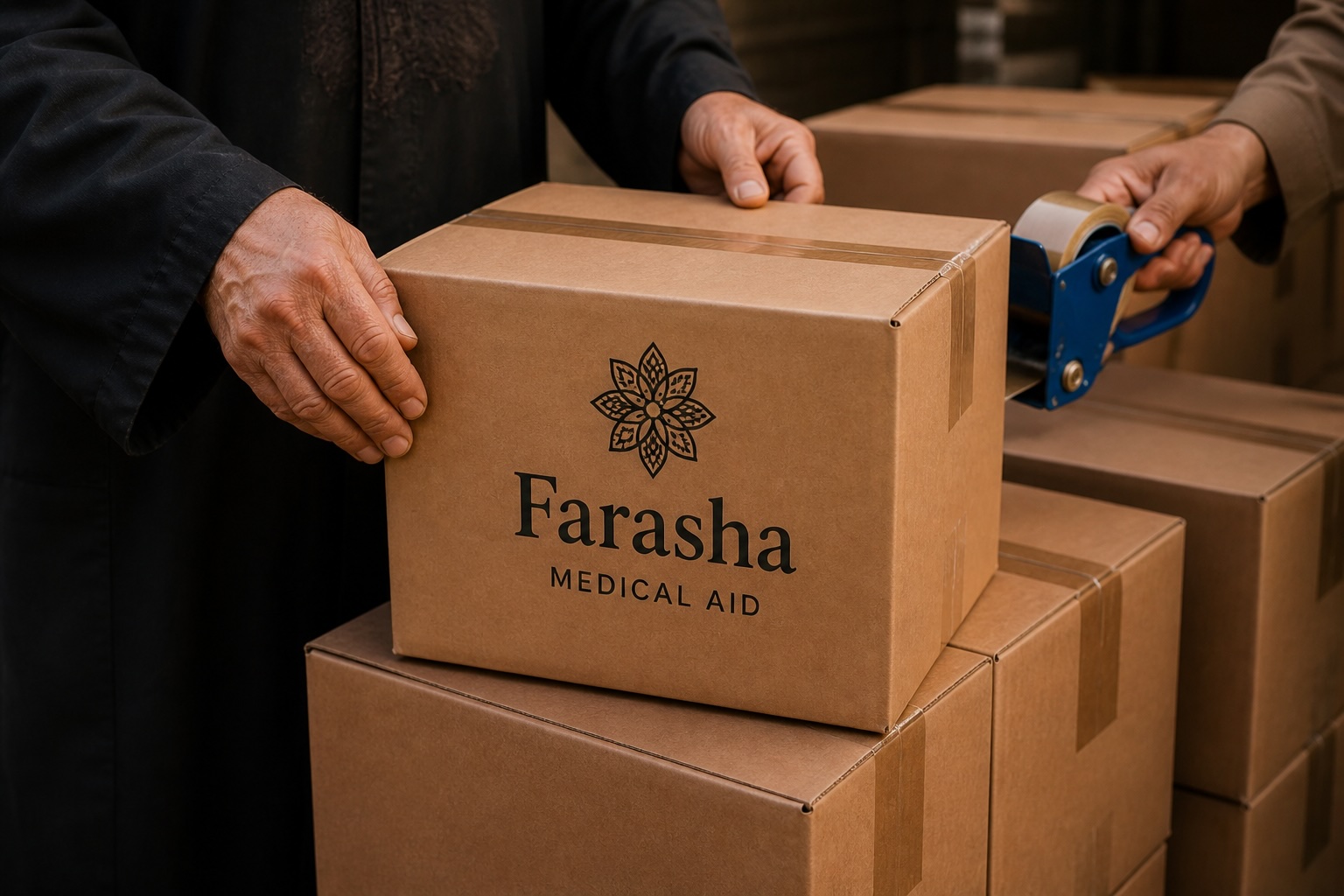
34 Volunteers. One Mission. Zero Overhead.
Every supply that Farasha ships has been inspected, catalogued, and packed by hand by one of 34 active volunteers in the Los Angeles area. No paid staff. No administrative fees. Every dollar donated goes directly to supplies and shipping.
Upper Egypt
St. Samuel Monastery: Serving the Most Remote
Located in the Minya region of Upper Egypt — one of the country's most underserved areas — the clinic at St. Samuel Monastery operates at the far edge of any supply chain. Farasha's deliveries here are not supplements. They are the primary source of surgical supplies.
12,400 Supplies — What That Number Actually Means
Surgical gloves, wound dressings, IV supply sets, diagnostic tools, wound closure kits. Behind each number is a patient who received care that might otherwise have been delayed — or denied entirely. Every item Farasha ships is catalogued and sent where it is needed most.
Los Angeles, CA
How Hospital Partnerships Make the Model Work
Farasha's supply pipeline depends on hospitals willing to redirect unused, unexpired supplies rather than discarding them. These partnerships are the foundation of everything we do — and expanding this network is the fastest way to increase our impact.
Your Story Could Be Here
We are actively collecting firsthand accounts from clinic staff, monastery partners, volunteers, and donors. If you have a story to share — or want to support the work — we'd love to hear from you.
Share Your Story →Stay Informed
Get field reports, shipment updates, and impact dispatches directly in your inbox.